
The Cascade
Ravine Walk
Restoring safe access to the ravine and waterfall while helping the forest heal.
Beginning Monday, July 6, 2026, weather permitting, the Cascade Ravine Walk officially enters its construction phase. After years of planning, permitting, and community engagement, crews will begin mobilizing on site to implement improvements designed to protect the ravine, improve visitor safety, and restore one of the preserve’s most beloved natural landscapes.
For many visitors, the waterfall is the destination. But the waterfall is only one part of the experience. The Cascade Ravine—its springs, wooded slopes, and surrounding landscape that give this community its name—is one of the most treasured places in the preserve. The ravine, the waterfall, and the First Spring together tell the story of a landscape that has shaped this community for generations.
For years, the Conservancy and its partners have worked to protect and restore this special place. One of our earliest projects, completed in partnership with the West Atlanta Watershed Alliance, restored access to the First Spring by replacing a deteriorated bridge with a durable stone crossing, reconnecting visitors to one of the preserve’s most significant natural features.
Today, we are taking the next step.
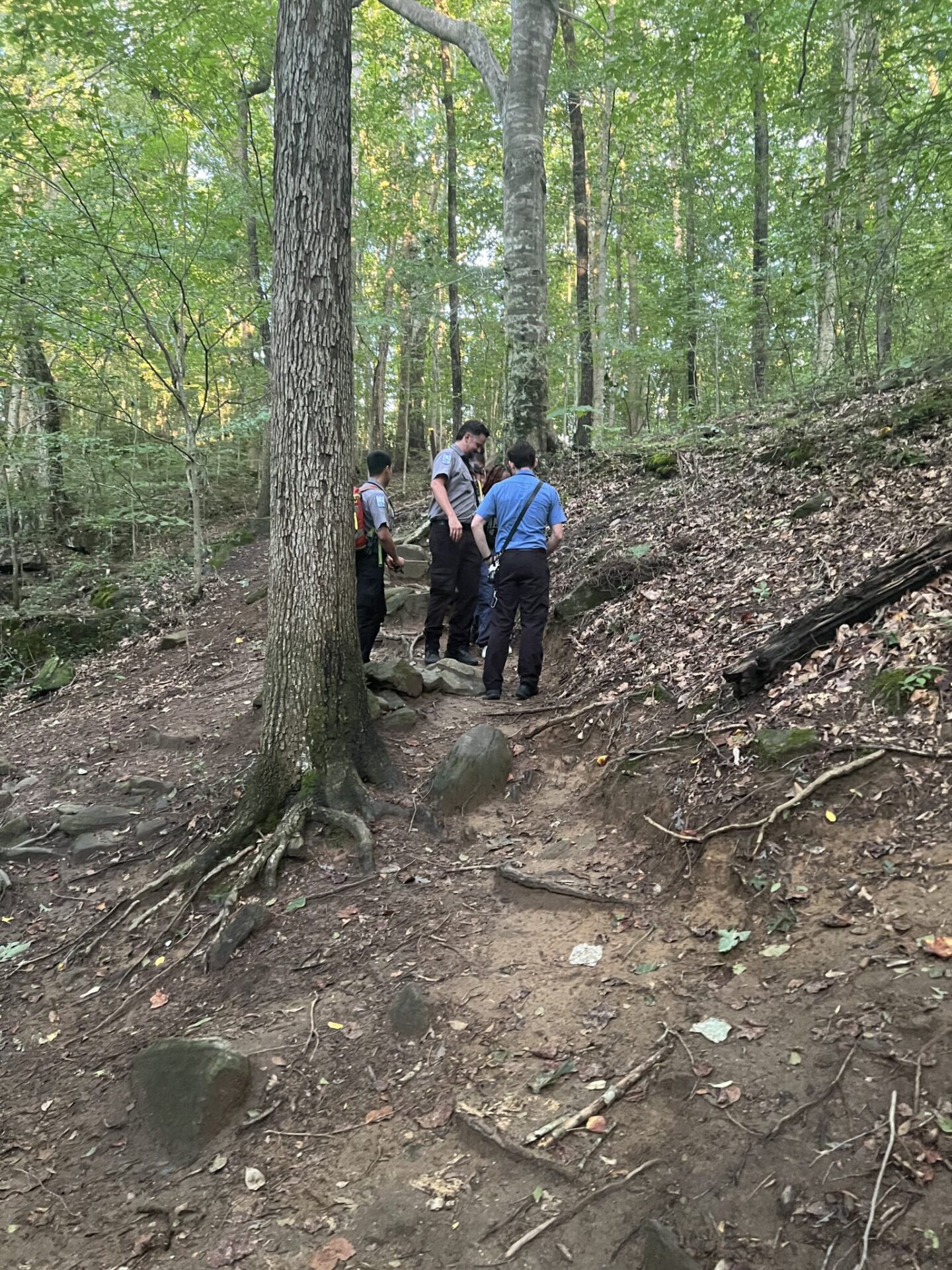
Decades of informal foot traffic along the ravine banks have worn away the soil that once protected tree roots and stabilized the hillside. As the banks eroded, tree roots became exposed and the walking surface became increasingly unsafe for visitors. What began as a maintenance issue became both a public safety concern and an ecological challenge.
Through years of conversations with community partners and park visitors—including the Pi Alpha Omega Chapter of Alpha Kappa Alpha Sorority, Incorporated, the Nature Gurlz, regular park visitors, and the City of Atlanta Department of Watershed Management and Department of Parks and Recreation—the Conservancy developed a vision for restoring and protecting the ravine while maintaining public access.
With funding provided by Park Pride and support from Atlanta City Councilmember Marci Collier Overstreet, the Conservancy worked with landscape architect Patrick Hand to develop an approach guided by the principles of Leave No Trace: create durable walking surfaces where people naturally travel, direct foot traffic to designated paths, and allow damaged portions of the ravine to heal and regenerate.
The result is The Cascade Ravine Walk.
This project represents years of planning, permitting, community engagement, design, and collaboration among the many people and organizations that care deeply about this place. It is designed not only to improve access to the waterfall, but also to restore and protect the ecological health of the ravine itself.
What Visitors Should Expect
Beginning July 6, construction crews will begin mobilizing on site and preparing for work in the ravine area. The preserve will remain open throughout construction.
This project is being built primarily through hand labor and light equipment rather than heavy machinery. Visitors should expect to see construction personnel on site, but crews will work carefully and respectfully to maintain pedestrian access whenever possible. Construction teams will remain mindful that the preserve continues to serve thousands of hikers and nature enthusiasts, and every effort will be made to minimize disruptions to the visitor experience.
Hikers are encouraged to continue enjoying the preserve while exercising normal caution near active work areas and following any temporary directions provided by project staff.
A Legacy of Stewardship
The story of the Cascade Ravine did not begin with this project.
For generations, this landscape has been a place of discovery, learning, and renewal. Long before the creation of the preserve, these springs and forests were part of the homelands of Indigenous peoples who recognized the importance of clean water, healthy forests, and the connections between people and the natural world.
In the late nineteenth and early twentieth centuries, the springs became the center of the Cascade Springs Nature Resort, attracting visitors from across the region who were drawn by both the beauty of the landscape and the reputed health benefits of its waters. The resort promoted the springs as a place of healing and renewal, and analyses of the water’s mineral content were conducted to better understand its unique qualities. Visitors came not only to enjoy the springs, but also because of a growing interest in the scientific study of the natural environment and the relationship between water, health, and human well-being.
That spirit of scientific inquiry remains part of the preserve’s identity today. The community’s vision for conserving Cascade Springs as a place for environmental literacy has evolved into new forms of research, stewardship, and citizen science. Through partnerships with universities, public agencies, and community organizations, the preserve continues to serve as a living laboratory where people come together to study forests, waters, wildlife, and microclimates throughout the greater Utoy Creek Urban Forest.
The Cascade Ravine Walk is an investment in that shared legacy.
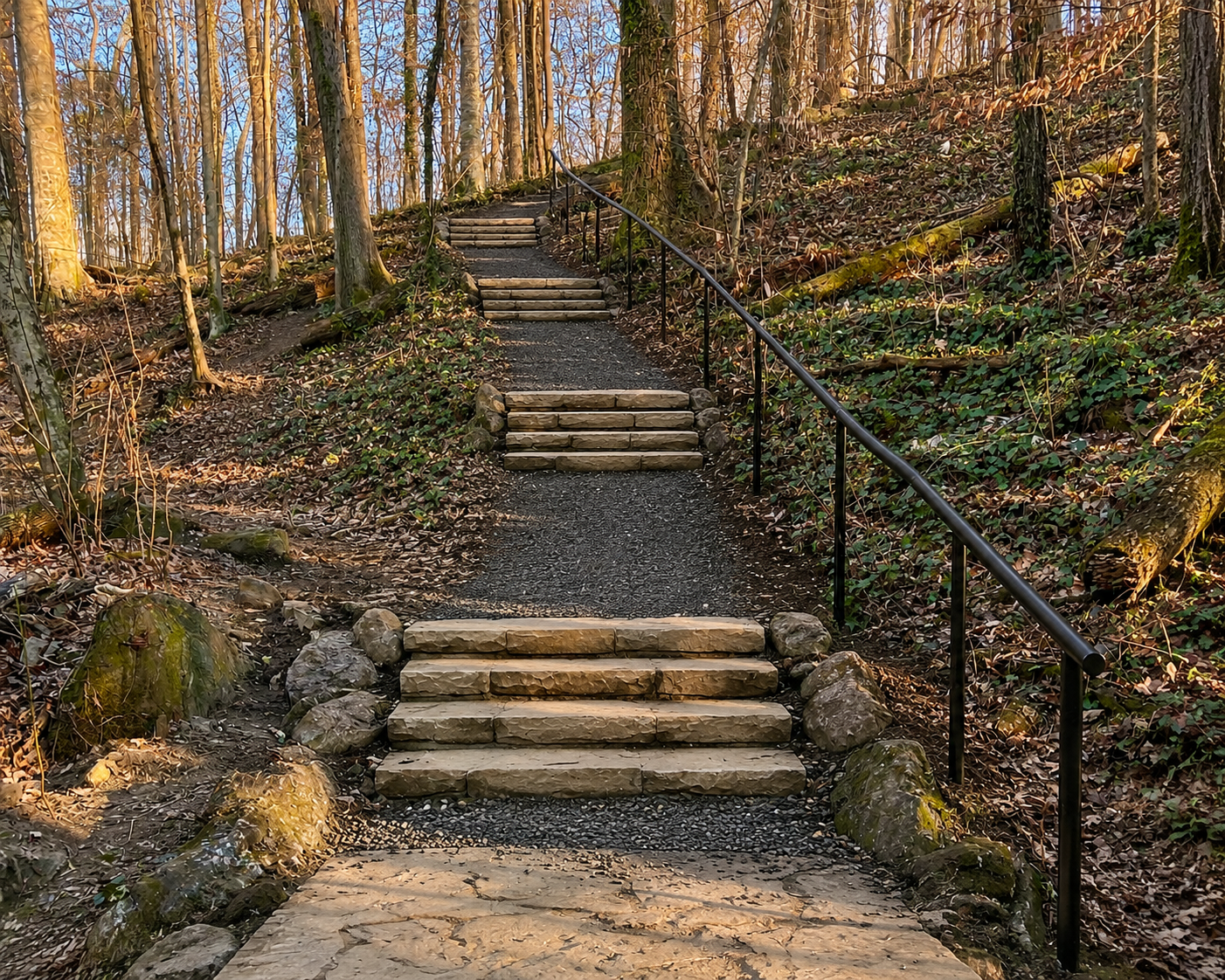
By stabilizing eroded slopes, protecting tree roots, improving visitor safety, and creating durable access to the waterfall, this project helps ensure that future generations can continue to experience one of Atlanta’s most beloved natural places while allowing damaged portions of the ravine to heal and recover.
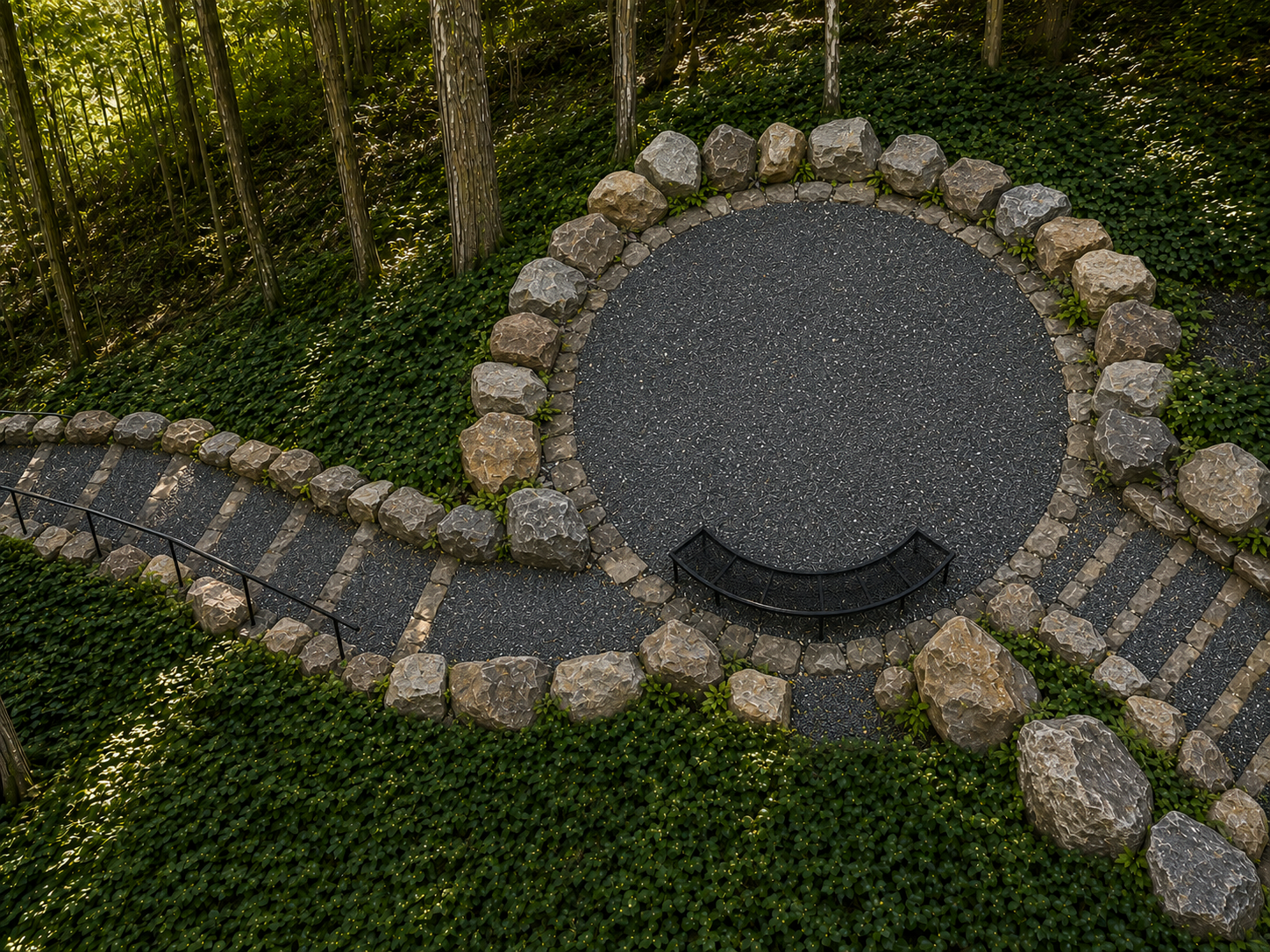
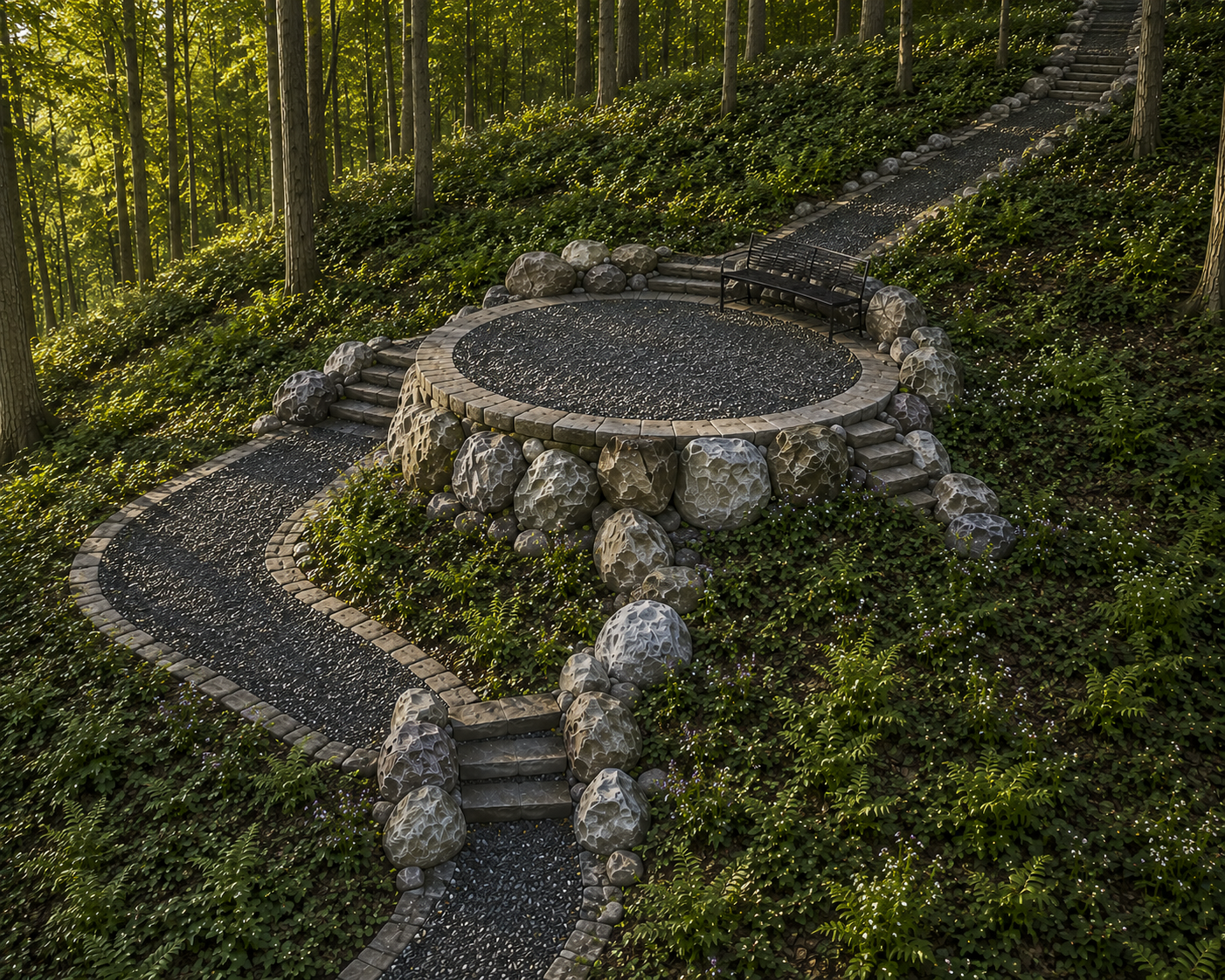
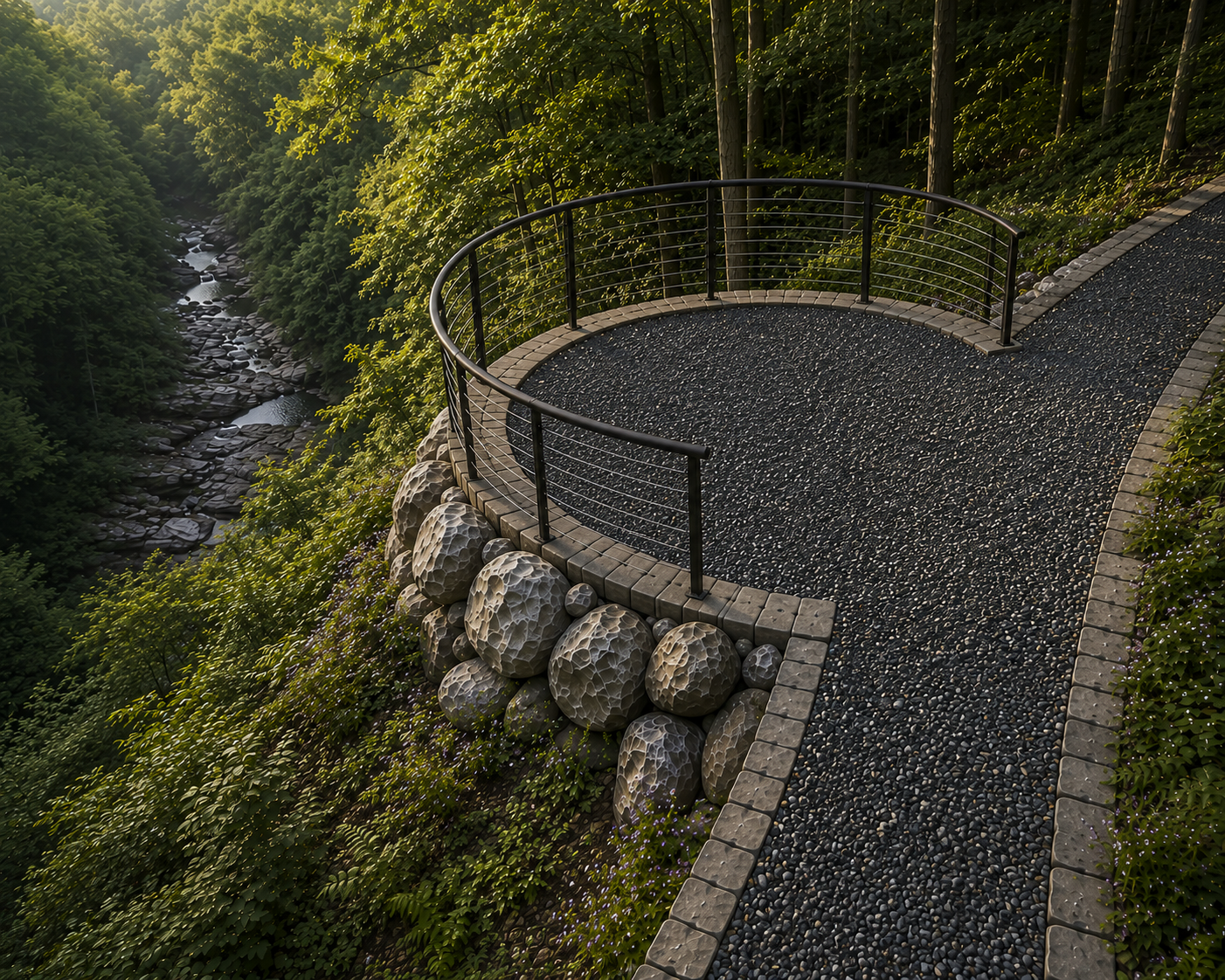
The conceptual renderings included above provide a glimpse into the next chapter of this ongoing story of stewardship, conservation, and scientific discovery.
Conceptual Renderings
The images shown above are conceptual renderings intended to illustrate elements of the project design and should not be interpreted as exact representations of the final constructed improvements.